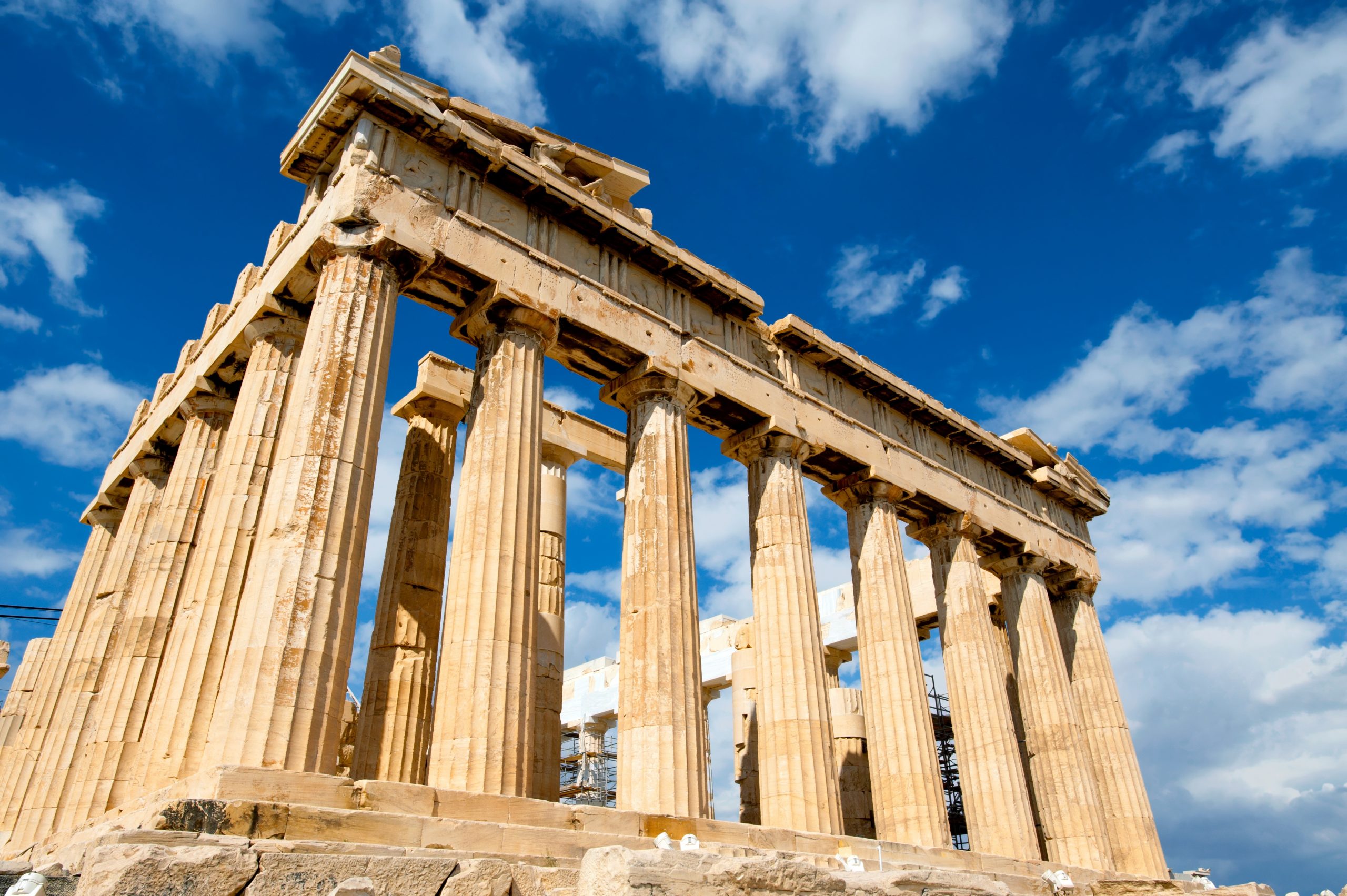
Greece
131 957 sq km (50 949 sq mi)
about 11.18 mil people
Athens
Greek
Christian 93%, Islam 2%,irreligious 4%,other 1%
Euro
GMT (London) + 2 hours; CET + 1 hour
Greece is one of the world’s most popular tourist destinations, consistently ranking among the top 20 countries globally. According to the Greek Ministry of Tourism, the nation welcomed around 17 million visitors between January and mid-August 2007 – a remarkable number for a country of just 11 million inhabitants. Visitors are drawn to Greece for its sun-soaked beaches, reliable summer weather, vibrant nightlife, historical landmarks, and stunning natural scenery.
Over 90% of tourists come from other European countries, though recent years have seen an increase in visitors from other parts of the world. The peak tourist season runs from April through October, with July and August being the busiest months. Most tourism activity is concentrated in Crete, the Dodecanese Islands, the Cycladic Islands, the Ionian Islands, and, to a lesser extent, the Peloponnese region and the Halkidiki peninsula in Macedonia. However, many rewarding destinations remain free from large-scale tourism, offering a more authentic experience.
First-time visitors often arrive with preconceived images of Greece, only to discover a country of immense regional and architectural diversity. The iconic whitewashed homes and blue-domed churches are typical of the Cycladic Islands, but the country’s architecture varies widely. Neoclassical buildings can be admired in Ermoupolis and Nafplio, Ottoman-influenced structures in Grevena and Kozani, pastel-colored Baroque homes and churches on Corfu, and the classic whitewashed Cycladic homes on Paros.
Greece’s natural landscape is just as varied as its architecture: idyllic beaches, towering mountain ranges, fertile wine-producing valleys, vast olive orchards in the south, and lush forests in the north. Its historical sights are equally diverse, ranging from classical ruins and temples to medieval churches and castles, reflecting the country’s rich and layered history.
Greece has a rich history spanning nearly 4,000 years. Early civilizations included the Cycladic and Minoan cultures, followed by the Mycenaeans. Greek-speaking tribes such as the Ionians, Dorians, and Achaeans shaped the early Greek world, leading to the rise of city-states like Athens, Sparta, Corinth, and Thebes between 1200 and 800 BC. This period produced many of Greece’s enduring achievements in art, architecture, politics, and philosophy.
In the 4th century BC, Alexander the Great expanded Greek culture across a vast empire. Later, Greece became part of the Roman Empire, and Christianity spread during the 1st century AD. The Byzantine Empire dominated Greece throughout the medieval period, until the Ottoman Empire conquered the region in the 15th century.
The Greek War of Independence began in 1821, resulting in independence from the Ottomans by 1829. Greece gradually expanded its territory, survived occupations during WWII, endured a civil war, and eventually restored democracy in 1974. The country joined NATO in 1952 and the European Union in 1981, and has since become a modern, stable, and prosperous nation.
The traditional heritage of Greece is the sum of the cultural and material achievements passed down through generations. Folk culture – rich in music, dance, poetry, and theatre – is an integral part of daily life. Across the country, specialized museums and cultural organizations preserve and celebrate this heritage.
Traditional Greek cuisine is based on pure, high-quality products from nature, forming a balanced and nutritious diet. Ingredients such as olive and extra virgin olive oil, dairy products, honey, ouzo, fish, nuts, wines, mastic from Chios, and crocus from Kozani combine to create a cuisine that satisfies both taste and nutritional needs.
Our tip:
Ouzo tastes even better when paired with a Greek meze. Try a seafood platter, cheese-stuffed pies, cured meats, and other local delights. Cheers! / Εβίβα! / Evíva!
Greece is a member of the European Union (EU), the European Economic Area (EEA), and the Schengen Area.
EU and EEA citizens (including Monaco and Andorra) can enter with a valid national ID card.
Non-EU/EEA nationals need a valid passport, and most require a visa. Certain countries enjoy visa-free stays:
90 days: Argentina, Australia, Canada, Chile, Croatia, Hong Kong SAR, Israel, Japan, South Korea, Malaysia, Mexico, New Zealand, USA.
60 days: Brazil, Uruguay.
Travel between Schengen countries requires no passport checks. Visitors needing a Schengen tourist visa for multiple countries may use one visa, ideally obtained from the first country of entry.
For the latest entry requirements, consult the Greek Ministry for Foreign Affairs.
Credits: Greece by Wikitravel and Greek Tourism Organisation