Romania
238 397 sq km (92 046 sq mi)
about 19.63 mil people
Bucharest
Romanian
Christianity 86%, others and non-religious 14%
Leu (RON), 1 EUR = around 4.61 Leu
GMT (London) + 2 hours; CET + 1 hour
Romania lies in the northern part of the Balkan Peninsula, along the western shores of the Black Sea. The country boasts remarkable natural beauty, cultural diversity, and a fascinating blend of tradition and modernity.
Visitors are enchanted by the dramatic Carpathian Mountains, unspoiled rural landscapes, and vibrant historic cities, as well as the energy of its bustling capital. Over the last decade, Romania has undergone significant development and proudly joined the European Union, yet it still offers travelers many unique and authentic experiences.
This is a country of striking contrasts: while some urban areas feel distinctly Western European, many villages seem as if they have been preserved in time, offering a glimpse into a simpler, pastoral past.
Although Romania shares some cultural traits with other Balkan states, it stands apart due to its strong Latin heritage, which shapes its language, customs, and identity.
The Carpathian Mountains and primeval forests filled with wolves and bears
The Danube Delta, one of Europe’s most biodiverse regions
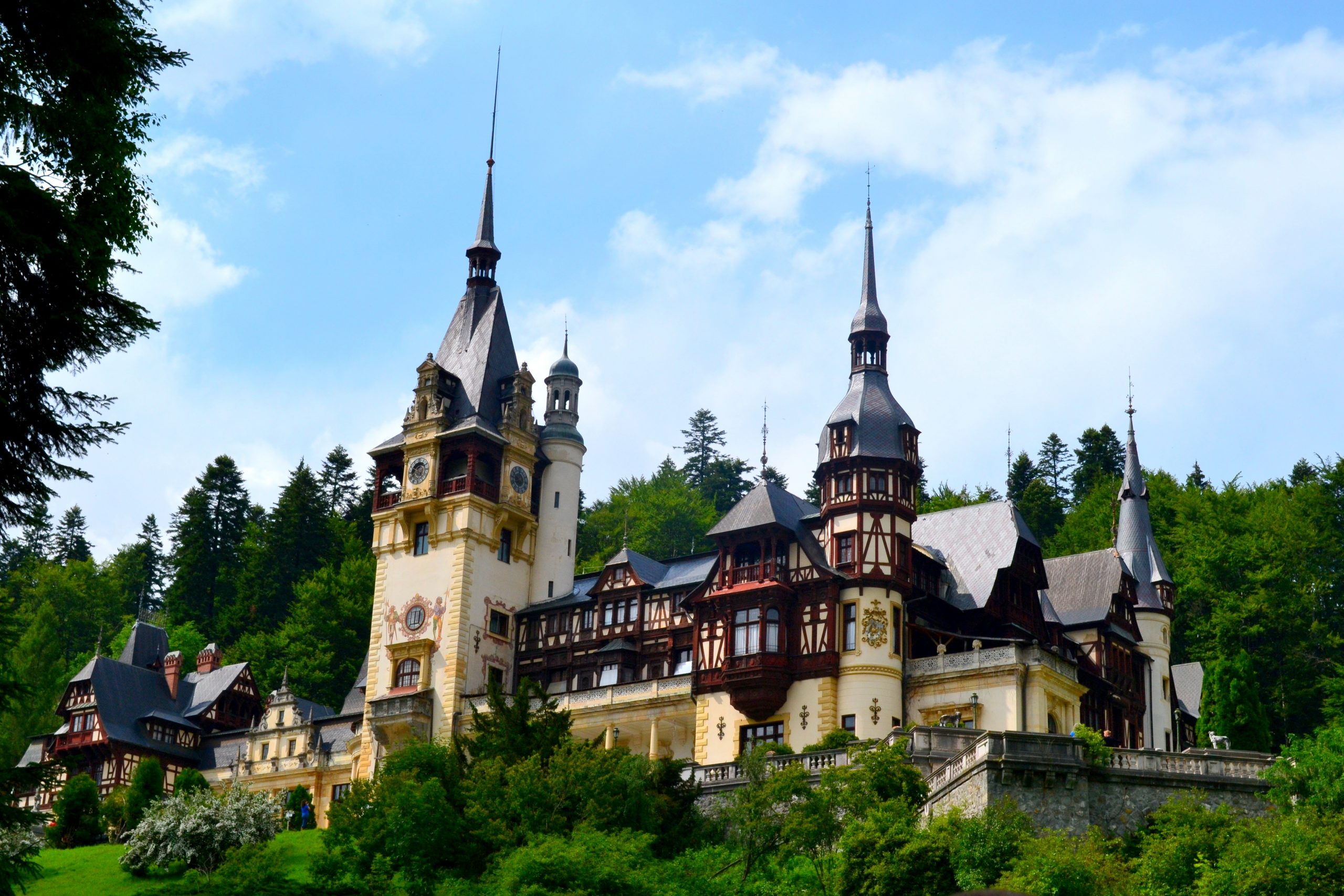
Historic painted monasteries and medieval fortresses
Sculptor Constantin Brâncuși and composer George Enescu
Nadia Comăneci, the legendary gymnast
Traditional dishes such as stuffed cabbage leaves
Renowned wines and vast sunflower fields
Iconic cultural references like Eugène Ionesco and Dracula
The Black Sea coastline and charming seaside towns
Local industries like the classic “Dacia” cars and salt mines
Romania’s combination of history, nature, and cultural richness makes it a destination full of both unexpected surprises and timeless traditions.
Romania’s roots trace back to the Dacians, an ancient people known for their rich culture. Under King Burebista (1st century BC), their kingdom stretched from Central Europe to the Black Sea. The ruins of their capital, Sarmizegetusa, are now a UNESCO World Heritage Site.
In 106 AD, the Romans conquered Dacia, transforming it into a prosperous province. Though Roman rule lasted less than two centuries, it left a lasting Latin influence on the language and culture, later shaped by contact with Slavic peoples.
During the Middle Ages, Hungarians settled in Transylvania, while German Saxons built fortified towns and castles to defend against invasions. Meanwhile, the principalities of Wallachia and Moldavia emerged, eventually falling under Ottoman rule.
In 1600, Michael the Brave briefly united all three principalities, foreshadowing the modern Romanian state. This unity became reality in 1859 with the unification of Wallachia and Moldavia, followed by Transylvania’s union in 1918, creating “Greater Romania.”
After World War II, Romania fell under Soviet influence, becoming a communist state led by Nicolae Ceaușescu, whose oppressive regime ended with his overthrow in 1989. Since then, Romania has transitioned to democracy, joined the European Union in 2007, and continues to develop, blending its deep historical heritage with a modern European outlook.
The earliest Homo sapiens fossils in Europe were discovered in southwestern Romania in 2002. Researchers estimate that they date back 37,800-42,000 years. These remains were found in a cave with 12 galleries, later named “The Cave with Bones,” located near the town of Anina in the karst area of the Minis Valley.
Another fascinating site is the Gold Museum in Brad, situated in Hunedoara County. Established in 1896, it is unique in Europe and houses the largest collection of native gold pieces on the continent. The museum currently boasts more than 1,300 exhibits of native gold and over 1,000 invaluable mineral samples. Among its most spectacular treasures are:
The Dacian Flag – a pentagonal gold crystal, unique in the world.
The Gold Lizards – extraordinary pieces valued individually at over $3 million.
These remarkable sites highlight Romania’s deep historical roots and unique cultural heritage, offering travelers a glimpse into its ancient past and natural wealth.
EU Citizens: May enter Romania with either a valid passport or a National Identity Card.
U.S., Canadian, Australian, New Zealand, and most European citizens: Do not require a visa for stays of up to 90 days within a 180-day period.
Non-EU and overseas visitors: A valid passport is required.
Important passport requirements:
Your passport must be valid for at least 90 days after your intended departure date (i.e., it should not expire within three months of leaving Romania).
For stays longer than 90 days:
Visitors must contact a local passport office in Romania or a Romanian Consulate abroad to apply for a visa.
For up-to-date entry and visa information, as well as a list of Romanian consulates worldwide, visit the Ministry of Foreign Affairs website.
Credits: Romania by Wikitravel and Romania Travel