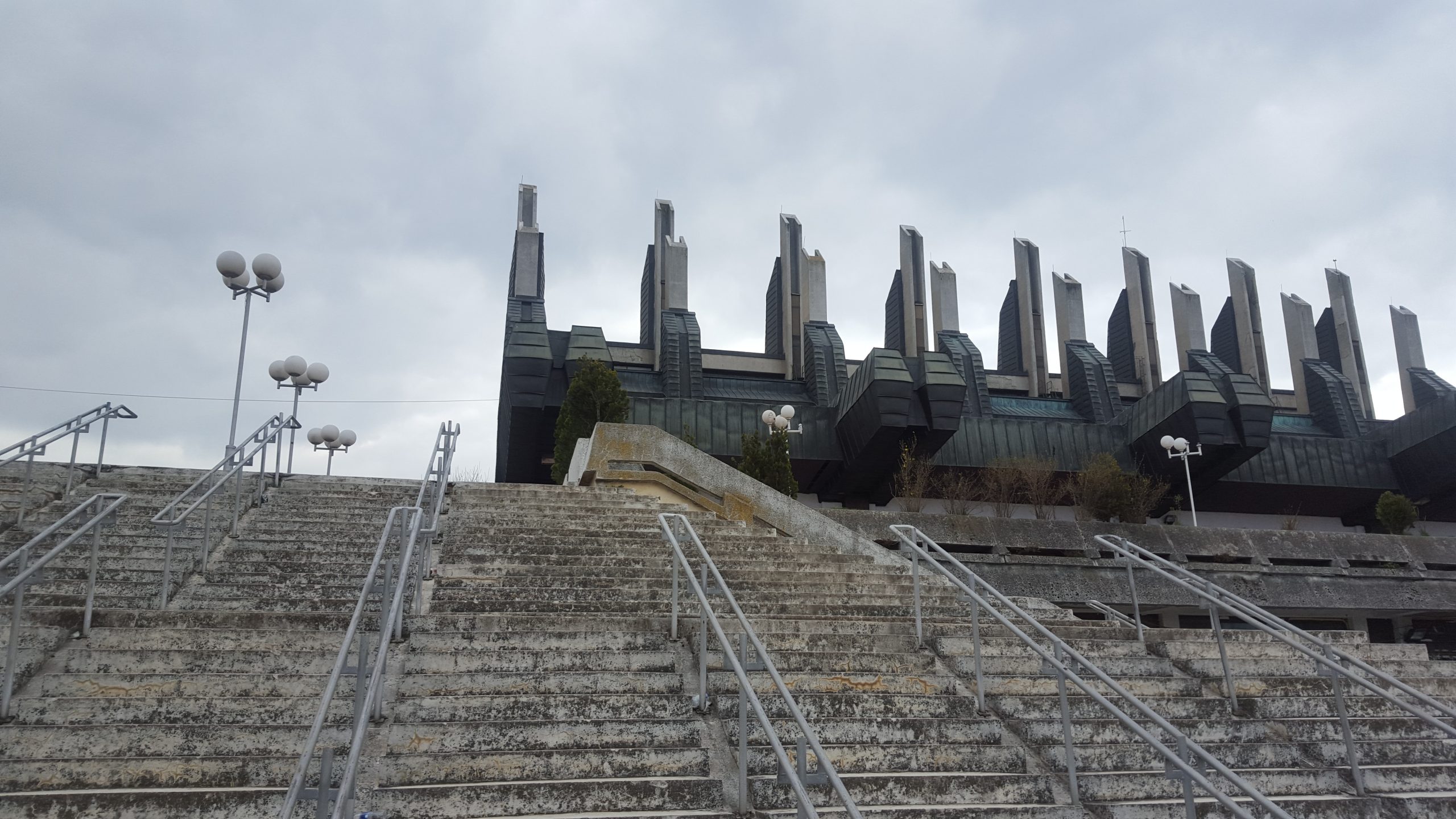
Kosovo
10 908 sq km (4 212 sq mi)
about 1.9 mil people
Pristina
Albanian and Serbian
Islam 95%, Christianity 5%
Euro
GMT (London) + 1 hour; CET + 0 hours
Kosovo’s population is about 95% Albanian, who often refer to the country as Kosova. English and German are widely spoken, and locals are eager to share their stories.
Kosovo offers more than beautiful mountains and ancient ruins. Highlights include:
UNESCO World Heritage sites: Four Serbian Orthodox church complexes, including monasteries in Gračanica, Peja/Peć, Dečani, and the Church of Our Lady of Ljeviš in Prizren, along with other important Orthodox monuments.
Hospitality: Outside the cities, visitors are warmly welcomed into homes.
Nature: Scenic countryside ideal for walking and wildflower spotting.
Nightlife and café culture: Especially vibrant in Prishtina, Europe’s youngest capital by population.
Cultural diversity: Experience Albanian, Serb, Roma, Ashkalia, Bosniak, and Turkish communities.
Insights into governance and development: Observe how limited environmental regulations and property rights affect industry.
Warm international sentiment: Kosovars are particularly friendly toward the UK, USA, Western Europe, and the Middle East, celebrating international support for their independence.
After the Kosovo War of 1999, the United Nations Interim Administration Mission in Kosovo (UNMIK) assumed governance of the province. While Kosovo remained officially part of Serbia, Serbia’s influence over the region was greatly reduced. On February 17th, 2008, Kosovo unilaterally declared independence, calling itself the Republic of Kosovo.
This new status was quickly recognized by the majority of Western countries, including 23 out of 28 EU member states. Greece, one of the remaining five, may recognize Kosovo’s independence in the near future. Serbia, supported by Russia, remains strongly opposed, though relations between Kosovo and Serbia have gradually improved over the past several years, with occasional setbacks.
In the capital Pristina, the Newborn statue symbolizes Kosovo’s independence. Kosovo-born singer Rita Ora even danced on the statue in her music video Shine Ya Light. Originally painted yellow for its first five years, the statue was later updated to display the flags of all countries recognizing Kosovo. February 17th, the day of independence, is celebrated as an official national holiday.
Spotting brown bears in Kosovo
In the past, bears in Kosovo were kept in cages near restaurants to entertain visitors. Today, these brown bears enjoy a more natural environment, and the public can visit them at the Bear Sanctuary, located about twenty minutes outside Pristina, the capital.
To reach the sanctuary, drive toward Gjilan and follow the signs. Visitors can park, buy a ticket (€1.50 for adults, €0.50 for children under 14, and free for babies), and enjoy a pleasant 30–60 minute walk through the park. Note that shade is limited, so prepare accordingly on hot days.
Around a dozen bears live in the sanctuary. Some roam outside, some play in the water, while others relax in the sun. Each bear has an individual sign providing information about its background and behavior, making the visit both enjoyable and educational.
Foreign nationals holding UN travel documents, diplomatic or consular status, or international military personnel are exempt from needing a visa for Kosovo.
Holders of valid multiple-entry Schengen visas can enter Kosovo for up to 15 days without a separate Kosovo visa. Citizens of EU states, Albania, Monaco, Montenegro, and Serbia may visit for up to 90 days with a valid biometric ID card (note: some ID cards, like French, Greek, and Austrian, are not biometric and require a passport).
For stays longer than 90 days, all foreign nationals must register at the Police Department for the Registration of Foreigners in Pristina.
Entry points include the northern border with Serbia near Kosovska Mitrovica or areas near Pristina. Buses run from Belgrade, Niš, and other Serbian towns to Pristina and Prizren. The most common entry is via Skopje, North Macedonia, only 1.5 hours from Pristina by car. Traveling within Kosovo is quick: Pristina to Prizren or Peć takes 1.5–2 hours depending on traffic.
For a full list of countries requiring a visa, refer to the Ministry of Foreign Affairs, Republic of Kosovo.
Credits: Kosovo by Wikitravel