Montenegro
13 812 sq km (5 333 sq mi)
about 0.68 mil people
Podgorica
Montenegrin
Christians 76%, Islam 19%, others 5%
Euro
GMT (London) + 1 hour; CET + 0 hours
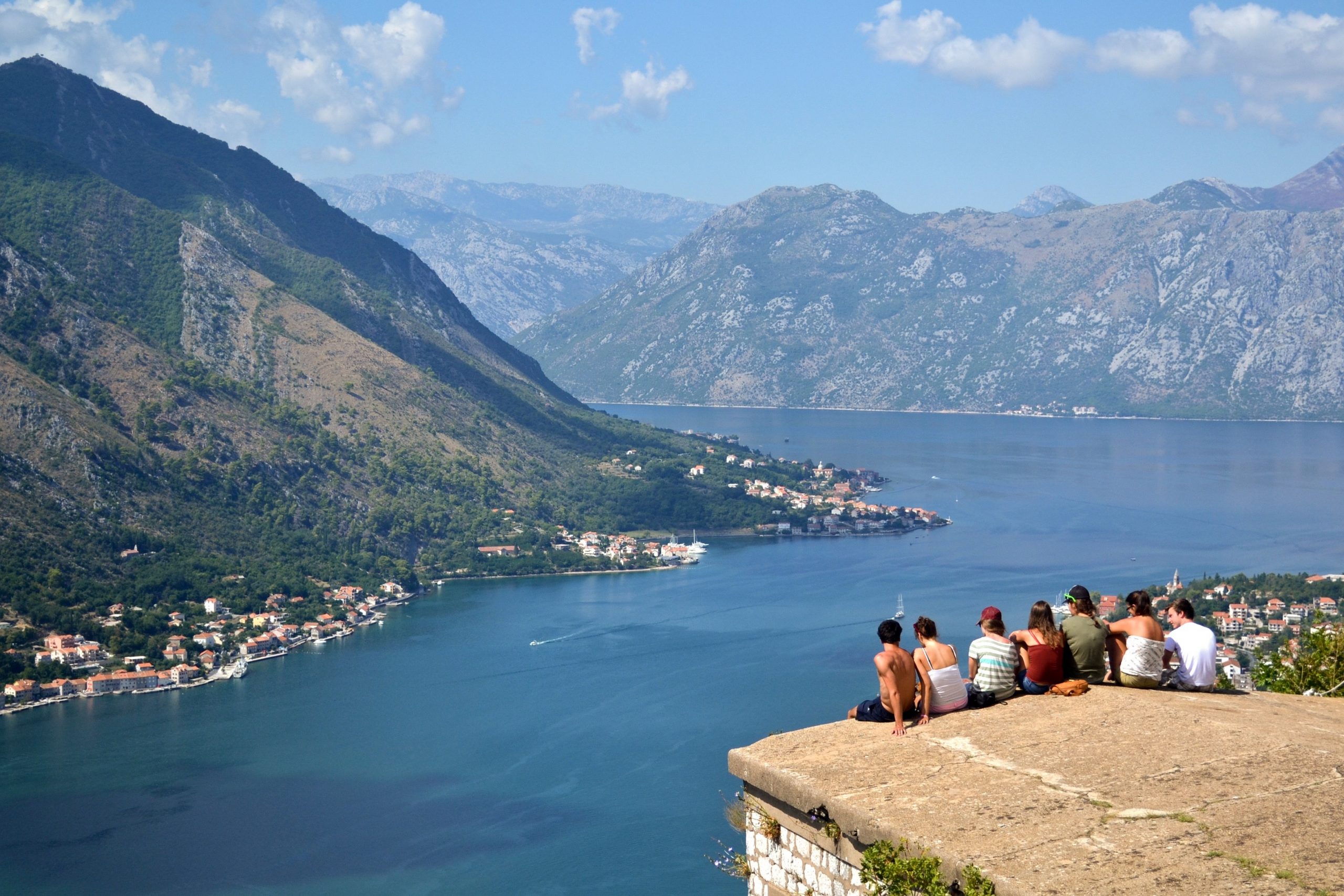
Montenegro may be small in size, but it offers stunning mountainous landscapes, dramatic coastlines, historic monuments, and beautiful walled towns. Its coast rivals that of its more famous neighbor, Croatia, making its main tourist spots popular and often crowded in summer. However, don’t let the crowds deter you – getting an early start lets you enjoy Montenegro’s magnificent Riviera and medieval coastal towns before the crowds arrive.
Montenegro’s tourism was severely impacted by the Yugoslav civil war in the 1990s. In recent years, with regional stability restored, tourism has begun to recover, and the country is being rediscovered by travelers from around the world.
Montenegro was established as a state under its current name in the 15th century, continuing the legacy of the Slavic state of Duklja. It managed to maintain its independence throughout the Ottoman Empire’s rule in the Balkans, with its sovereignty formally recognized at the Congress of Berlin in 1878.
After World War I, during which it fought on the side of the Allied powers, Montenegro was incorporated into the Kingdom of Serbs, Croats, and Slovenes, which later became the Kingdom of Yugoslavia in 1929. It remained part of various forms of Yugoslavia until regaining full independence from the federation of Serbia and Montenegro following a referendum in June 2006.
Montenegro was the only republic of the former Yugoslavia to support Serbia during the wars of the 1990s.
National Costumes and Customs
Montenegrin national costume is renowned for being among the most beautiful and elegant in the region. Traditionally expensive, these costumes have always been cherished, even during difficult times, reserved for the most important moments in life. The tradition of wearing beautiful clothes remains strong in Montenegro to this day.
Folklore: The gusle, a one-stringed Balkan folk fiddle, is a traditional instrument deeply embedded in Montenegrin culture. Oro, a traditional dance, is widely performed. Folklore dance groups preserve old songs and dances, keeping nearly forgotten customs alive. During summer, many rural areas host local games and competitions.
Hospitality: Travelers and guests in Montenegro receive special attention. By tradition, visitors are warmly welcomed with priganice (Montenegrin doughnuts) served with honey and rakija, the local brandy.
Nationals of the following countries may enter, transit through, and stay in Montenegro for up to 90 days without a visa, provided they hold a valid travel document: Andorra, Argentina, Aruba, Australia, Austria, Belgium, Bermuda, Bosnia and Herzegovina, Brazil, Brunei, Bulgaria, Canada, Chile, Costa Rica, Croatia, Cyprus, Czech Republic, Denmark, Estonia, Finland, France, Germany, Guatemala, Greece, Holy See, Honduras, Hong Kong, Hungary, Iceland, Ireland, Israel, Italy, Japan, Latvia, Liechtenstein, Lithuania, Luxembourg, Macau, North Macedonia, Malaysia, Malta, Mexico, Monaco, Nicaragua, Netherlands, New Zealand, Norway, Panama, Paraguay, Poland, Portugal, Romania, Russia, El Salvador, San Marino, Seychelles, Serbia, Singapore, Slovakia, Slovenia, South Korea, Spain, Sweden, Switzerland, Taiwan, Turkey, Ukraine, United Kingdom, Uruguay, United States, and Venezuela.
Nationals of EU/EFTA countries, Monaco, San Marino, Albania, and the former Yugoslav countries may enter Montenegro with a valid ID card and stay for a maximum of 30 days.
Holders of travel documents containing a valid Schengen visa, a valid U.S. visa, or residence permits from these countries may enter and stay in Montenegro for up to seven days, or until the visa’s expiration if it is less than seven days. For more details, visit the Ministry of Foreign Affairs of Montenegro.
Please note that some border guards may not be fully aware of these provisions and might initially request a visa. If this happens, remain calm and politely ask them to verify the information. They may take up to an hour to process your passport and vehicle registration details before allowing entry.